




Introduction
Tooth loss can change more than just the way your smile looks.
It can affect how you eat, how clearly you speak, and even how confident you feel in everyday situations. Many individuals in Lubbock begin exploring replacement options when these changes start interfering with daily life.
One of the most common decisions patients face is whether to replace a few missing teeth or restore an entire arch. At first glance, both options may seem similar, but they serve very different purposes depending on your current oral condition.
Some patients still have healthy teeth that can be preserved, while others may need a more complete solution to regain proper function.
This blog takes a closer look at:
- Why Tooth Loss Remains A Major Issue?
- Denture – How It Works?
Understanding the difference between these two approaches is important before making a decision. This article explains how each option works, when it is recommended, and what factors should guide your choice.
Why Tooth Loss Remains A Major Issue?
According to the American Dental Association (2024), tooth loss remains a widespread issue among adults, particularly as they age. For those seeking dental in Lubbock TX, understanding this issue is essential — while it may begin with the loss of a single tooth, the impact can extend far beyond that initial gap.
Dentals in Lubbock, TX, often come across the following cases of tooth loss:
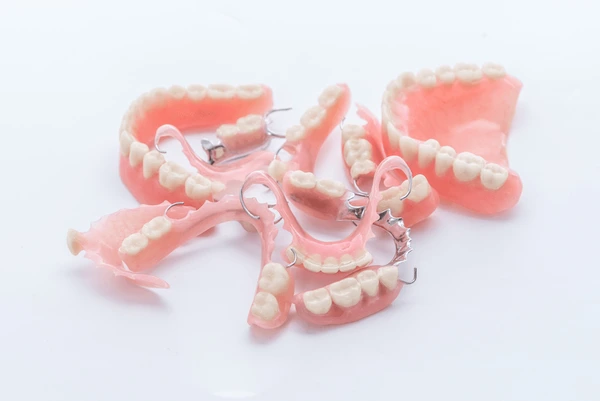
Partial Dentures – The What & Why
Even a few missing teeth can disrupt how the remaining teeth function. Nearby teeth may begin to shift into the empty space, which can lead to misalignment over time. This shift can make chewing less efficient and may also increase the risk of further dental problems.
When multiple teeth are missing, the effects become more noticeable. Patients often find it difficult to chew certain foods, which can affect their diet and overall nutrition. Speech may also be impacted, especially when gaps interfere with proper tongue placement.
Full Dentures – The What & Why
In cases where an entire arch is missing, the jawbone can gradually lose density due to a lack of stimulation. This can affect facial structure, leading to a sunken appearance over time. Many patients do not initially realize how these changes can influence both function and appearance.
Choosing the right replacement option is not just about filling gaps. It is about restoring balance, maintaining oral health, and ensuring long-term comfort. Understanding whether to preserve existing teeth or replace them entirely is a key part of that decision.
Denture – How It Works?
1. Detailed Oral Examination and Planning
The process begins with a comprehensive evaluation of the teeth, gums, and overall oral structure. Digital imaging and physical exams help determine the number of remaining teeth and their condition. This step is critical in deciding whether preservation is possible.
2. Determining the Most Suitable Option
If several natural teeth are still healthy and stable, a partial solution is typically recommended. These existing teeth act as anchors, providing additional support. If most teeth are missing or severely damaged, a full replacement may offer better function and long-term stability.
3. Custom Design and Fabrication
Both options are custom-made to fit the patient’s mouth. Impressions are taken to ensure that the final appliance aligns properly with the bite and feels natural during use. The design also considers aesthetics to match facial structure.
4. Fitting and Adjustment Phase
Once the appliance is ready, it is placed and adjusted. This stage ensures that it sits comfortably and functions properly. Minor modifications may be required to improve fit and reduce pressure points.
5. Long-Term Maintenance and Monitoring
Over time, the mouth naturally changes. Regular follow-ups help maintain comfort and ensure proper fit. Adjustments or relining may be needed to keep the appliance stable and functional.
At Lubbock Dental Care & Orthodontics, patients are guided through each step with a focus on long-term comfort and usability, not just immediate results.
Perks of Undergoing Denture Treatment
Restores everyday functionality
Both options help improve chewing ability, allowing patients to eat a wider range of foods. This can make meals more enjoyable and support better nutrition over time.
Supports clearer speech
Missing teeth can affect pronunciation, especially for certain sounds. Replacement options help restore proper alignment, making speech more natural and easier to produce.
Maintains facial appearance
Tooth loss can lead to changes in facial structure. Replacements provide support that helps maintain a more natural and balanced appearance.
Flexible solutions based on the condition
Patients are not limited to a one-size-fits-all approach. The ability to choose between preserving existing teeth or replacing them entirely allows for a more personalized solution.
Improves overall confidence
Many patients feel more comfortable smiling and interacting with others after restoring missing teeth. This can have a positive impact on both personal and professional interactions.
A patient at Lubbock Dental Care & Orthodontics who initially struggled with chewing and with avoiding certain foods found relief. Choosing the right partials-full-dentures in Lubbock, TX, made daily activities feel easier and more comfortable, improving overall quality of life.
Local Connection
Lubbock Dental Care & Orthodontics serves patients across Lubbock and surrounding communities, offering personalized solutions for tooth replacement. Many residents in this area look for options that not only restore function but also feel comfortable in everyday use.
Patients often ask whether it is better to preserve remaining teeth or transition to a complete replacement. The team focuses on helping individuals understand how each option fits their current condition and long-term needs. With clear communication, flexible scheduling, and a patient-first approach, the practice continues to support local patients in making informed decisions about their oral health.
Frequently Asked Questions
1. How do I know whether to choose a partial or a full denture?
The choice depends on how many natural teeth remain and their condition. A dental evaluation helps determine which option provides better stability and long-term function.
2. Can partial dentures help preserve existing teeth?
Yes, they can help maintain spacing and reduce shifting, which supports the overall structure of the remaining teeth. However, you first need to book a consultation with your dentist to understand the present condition.
3. Are full dentures suitable for long-term use?
Yes, with proper care and regular adjustments, they can provide reliable function for many years.
4. Do both options look natural?
Modern designs are created to match natural teeth and facial features, making them blend seamlessly.
5. How long does it take to adjust to dentures?
Most patients adapt within a few weeks, although the timeline may vary depending on individual comfort. If you feel uncomfortable for an extended period, it’s best to connect with your dentist.
6. Can I switch options later if my condition changes?
Yes, treatment plans can be adjusted if more teeth are lost or if a different solution becomes more suitable.
7. Does Lubbock Dental Care & Orthodontics guide patients through this decision?
Yes, patients receive personalized recommendations based on their oral health and long-term goals.
Conclusion
Choosing between partial and full dentures is not just about replacing missing teeth; it is about restoring comfort, function, and confidence in everyday life. The right option depends on your current dental condition, long-term goals, and how you want your smile to feel moving forward.
If you are considering tooth replacement in Lubbock, a personalized evaluation can help you determine which solution best fits your needs. Schedule your consultation with Lubbock Dental Care & Orthodontics today and take the first step toward a more comfortable and confident smile.