




Introduction
Replacing missing teeth often involves balancing several important considerations, including appearance, comfort, long-term function, and overall cost.
For many individuals in Lubbock, dental implants become part of the conversation when they begin exploring permanent tooth replacement options. However, one of the first questions patients usually ask is whether implants are truly worth the investment.
Unlike removable restorations, dental implants are designed to function more like natural teeth by integrating directly with the jawbone. This often makes them appealing to patients looking for stability and durability.
At the same time, the treatment process can seem more complex than alternatives such as dentures or bridges, especially when costs and healing time are discussed.
This article explains what affects the cost of dental implants, how the process works, and why many patients view implants as a long-term investment, using topics like:
- Dental Implants – What Makes Them the Go-to Option?
- Dental Implants – How They Work?
- Benefits of Opting for Dental Implants
So continue reading as we learn more about the costs associated with dental implants and their worth in the following sections.
Dental Implants – What Makes Them the Go-to Option?
According to the American Academy of Implant Dentistry (2024), millions of adults experience tooth loss, and many eventually seek long-term replacement solutions that restore both function and appearance.
While dentures and bridges remain common options, implants are often chosen because they replace both the visible tooth and the underlying root structure.
One reason implant treatment costs vary is that every patient’s oral condition is different. Some individuals may already have adequate jawbone support for implant placement, while others may require procedures such as bone grafting before implants can be placed successfully.
The type of restoration also affects the overall cost for tooth replacement in Lubbock, TX. A single implant supporting one crown differs significantly from implant-supported bridges or full-arch restorations involving multiple implants. Materials, imaging, surgical planning, and restoration customization all contribute to treatment complexity.
Patients frequently compare implants to removable dentures because dentures often have lower upfront costs. However, some patients later experience concerns about movement, changes in fit, or jawbone loss. Implants are often evaluated differently because they are designed for long-term stability and support.
Dental Implants – How They Work?
Undergoing the dental implants procedure involves many stages, starting with finding a reliable dentist in Lubbock, TX. Once you’ve found the professional, here’s how the procedure looks:
Stage I – Comprehensive evaluation and treatment planning:
The process begins with a detailed examination of the teeth, gums, and jawbone structure. Digital imaging helps determine bone density, implant positioning, and whether additional procedures may be needed before placement.
Stage II – Discussion of restoration options and treatment costs:
Patients review different implant approaches based on the number of missing teeth and long-term goals. Cost considerations may include implant placement, restorations, imaging, and any preparatory procedures required.
Stage III – Placement of the implant into the jawbone:
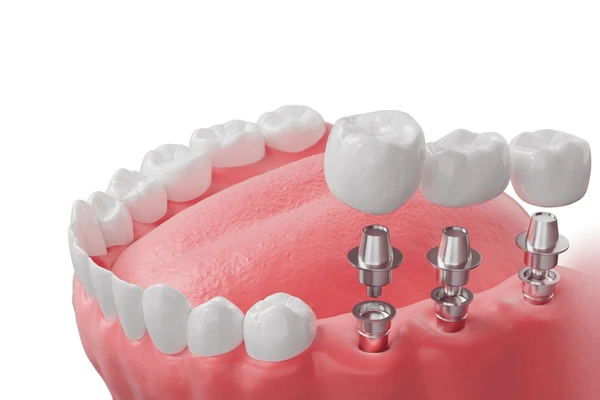
A titanium implant post is positioned within the jawbone to replace the missing tooth root. This post serves as the foundation for the future restoration.
Stage IV – Healing and osseointegration phase:
Over time, the implant bonds with the surrounding jawbone through a process called osseointegration. This integration helps create long-term stability and support.
Stage V – Attachment of the final restoration
Once healing is complete, a custom crown, bridge, or denture restoration is attached to the implant structure to restore appearance and function.
Stage VI – Long-term maintenance and follow-up care
Patients receive recommendations for oral hygiene, preventive visits, and maintenance routines designed to support implant longevity and overall oral health.
Benefits of Opting for Dental Implants
Provides long-term stability compared to removable options:
Dental implants are designed to integrate with the jawbone, helping create a stable foundation that functions more like natural teeth during daily activities.
Helps preserve jawbone structure after tooth loss:
Since implants replace both the missing root and the visible tooth, they help maintain bone stimulation and reduce gradual jawbone loss over time.
Improves chewing comfort and bite function:
Many patients experience better chewing efficiency and bite balance compared to some removable restorative options.
Supports a more natural appearance and feel:
Implant-supported restorations are customized to blend with surrounding teeth while remaining securely fixed in place.
Reduces concerns related to movement or slipping:
Unlike removable dentures, implants remain anchored within the jawbone, helping improve confidence while speaking and eating.
Offers long-term value despite higher upfront costs:
Although implant treatment may initially cost more than some alternatives, many patients view implants as worthwhile because of their durability and long-term function.
Encourages long-term oral health stability:
Replacing missing teeth helps reduce the shifting of neighboring teeth and supports better overall bite alignment over time.
Lubbock Dental Care – The Local Connection
As Lubbock continues to grow with working professionals, retirees, and long-time residents, many patients seek tooth-replacement options that provide greater stability and long-term function than removable restorations.
Questions about implant cost and long-term value are especially common among individuals comparing different restorative approaches. Lubbock Dental Care supports patients across Lubbock and nearby communities with personalized implant evaluations focused on long-term oral health, comfort, and function.
A patient-centered approach and flexible scheduling help individuals make more informed restorative decisions based on their goals and oral health needs.
FAQs
1. Why do dental implant costs vary between patients?
Implant costs depend on factors such as the number of implants needed, bone condition, restoration type, and whether additional procedures are required before placement.
2. Are implants more expensive than dentures or bridges?
In many cases, implants involve higher upfront costs, but they are often viewed as a longer-term restorative investment because of their stability and durability.
3. What makes dental implants worth considering long-term?
Many patients choose implants because they help preserve jawbone structure, improve stability, and function more similarly to natural teeth.
4. Can implants last for many years with proper care?
Yes, implants are designed for long-term use when supported by healthy oral hygiene habits and regular dental maintenance.
5. Do implants require special cleaning routines?
Implants should be cleaned consistently through brushing, flossing, and routine professional care, similar to the care of natural teeth.
6. Can bone loss affect eligibility for implants?
Yes, patients with significant bone loss may require additional treatment before implants can be placed successfully.
7. Does Lubbock Dental Care provide implant consultations and cost evaluations?
Yes, the practice offers personalized assessments designed to explain implant treatment options, costs, and long-term restorative planning.
Conclusion
Dental implants involve more than simply replacing a missing tooth; they are designed to restore long-term function, stability, and oral health.
While the initial cost may be higher than some alternative treatments, many patients consider implants a worthwhile investment because of their durability, natural feel, and ability to help preserve jawbone structure over time.
The overall value of implant treatment often depends on individual needs, oral health condition, and long-term goals rather than cost alone.
Understanding the complete treatment process and evaluating long-term benefits can help patients make more informed decisions about tooth replacement options.
Give your smile a second chance. Connect with our experts at Lubbock Dental Care today!